Why Key Holding Services Are Essential for Business Security Time and Cost Savings
A misplaced key, a late-night alarm, or a locked-out employee can turn a normal workday into a costly disruption. For many businesses, the question is not whether someone should have spare keys. The real question is who can hold them safely, respond quickly, and protect the business when no one else is available.
Key holding gives businesses a secure way to manage access outside normal hours. Instead of relying on an owner, manager, or staff member to attend every alarm call or emergency lockout, a trained security provider stores keys under controlled conditions and responds when needed.

What key holding means for a business
Key holding is a security service where a trusted provider keeps a set of business keys in a secure, tracked system. Those keys may include access keys, alarm codes where permitted, gate fobs, internal door keys, or keys to storage areas.
A professional key holding service usually includes:
Secure storage of keys away from the business site
Clear records of who can request access
Alarm response outside business hours
Emergency access for approved contractors or responders
Lock-up and unlock services when required
Reports after callouts or incidents
The goal is simple. The business keeps control of access without placing the burden on one person. That matters because keys are not just pieces of metal. They control entry to stock, equipment, records, vehicles, and staff areas.
Poor key control creates real problems. Spare keys left under counters, shared between employees, or kept at someone’s home can be lost, copied, or misused. If an alarm sounds at 2 a.m., an employee may feel pressured to attend alone. That can create safety risks and delays.
A managed key holding service gives the business a safer, clearer process.
The businesses that often use key holding services
Key holding is useful for any organization with physical premises, valuable contents, or out-of-hours risk. It is especially common in sectors where staff are not always on site or where fast access matters.
Retail stores use key holding for alarm response, opening support, and emergency access after break-ins or power issues. Shops with high-value stock, such as electronics, jewelry, liquor, or cosmetics, benefit from having trained responders attend incidents instead of store managers.
Warehouses and distribution centers use these services because they often have large sites, multiple entry points, and valuable inventory. If a gate fails, an alarm activates, or a delivery needs access outside usual hours, controlled key access reduces delay.

Restaurants, cafes, and bars often need flexible access for cleaners, maintenance contractors, deliveries, and emergency repairs. Key holding helps prevent keys from being passed informally between staff and vendors.
Medical clinics, pharmacies, and care facilities use key holding because response time and access control both matter. These sites may contain sensitive records, controlled items, or equipment that must remain secure.
Schools, gyms, auto repair shops, construction sites, and apartment management companies also use key holding services. Each has different access needs, but the same basic problem: someone reliable must be available when the key holder cannot be.
How key holding saves time
The time savings are often easy to see after the first incident. Without a key holding service, an alarm activation may trigger a chain of calls. The owner calls a manager. The manager calls another employee. Someone drives to the site, checks the building, resets the alarm, and drives home.
That process can take hours. It can also interrupt sleep, family time, or another shift.
With key holding in place, the process is much cleaner. The alarm monitoring center or approved contact reaches the key holding provider. A trained responder attends, checks the site, follows the agreed procedure, and reports the outcome.
That saves time in several ways:
Fewer interruptions for senior staff
Owners and managers do not need to stop what they are doing for every false alarm, lockout, or access issue.
Faster response when procedures are clear
The responder already knows where to go, which keys apply, and what steps to follow.
Less downtime after access problems
If an employee is locked out before opening, an approved unlock service can help the business open closer to schedule.
Easier contractor access
Maintenance work can happen without handing permanent keys to outside vendors.
Small delays can have a large effect. A store that opens late may lose morning sales. A warehouse waiting for access may delay a route. A restaurant with a stuck door or alarm issue may lose prep time before service. Key holding reduces those delays by removing confusion from the access process.
How key holding saves money
The cost savings are not always as obvious as the time savings, but they can be just as important.
One major saving comes from reducing staff callouts. Paying employees or managers to attend alarms after hours can become expensive, especially if alarms happen more than once. Even when there is no direct callout pay, the hidden cost remains. Tired managers make poorer decisions, lose productive time the next day, and may burn out.
Key holding can also reduce the financial risk of poor incident response. If an untrained staff member attends an alarm alone, they may miss signs of forced entry or enter an unsafe site. A trained responder follows a set process, observes the scene, and contacts emergency services when needed. That can help limit damage and avoid unsafe decisions.

There are also savings tied to key control. Lost keys can lead to lock replacement, rekeying, access card changes, and emergency locksmith fees. The more people who hold keys, the higher the chance that one disappears or gets copied without approval. A key holding provider helps reduce that exposure by limiting access and keeping records.
Insurance may also become easier to manage when a business can show clear security procedures. Insurance requirements vary, and businesses should always check their own policies, but documented key control and alarm response can support a stronger risk management plan.
Key holding does not remove every security cost. It helps prevent avoidable costs from becoming routine.
Why key holding supports better security and efficiency
Security works best when it is consistent. A key holding service gives a business a repeatable plan for access, alarms, and emergencies.
The biggest security benefit is accountability. Keys are stored in a controlled way, and access is tied to approved instructions. That reduces informal habits, such as leaving keys with neighboring businesses, hiding them on site, or giving too many staff members copies.
It also improves staff safety. Employees should not have to attend uncertain alarm activations alone in the middle of the night. A key holding service can send a trained responder who knows how to assess the situation and escalate if needed.
Efficiency improves because everyone knows the process. If the alarm sounds, the response route is already set. If a contractor needs access, there is a defined approval chain. If a manager leaves the company, keys do not need to be chased down from personal key rings.
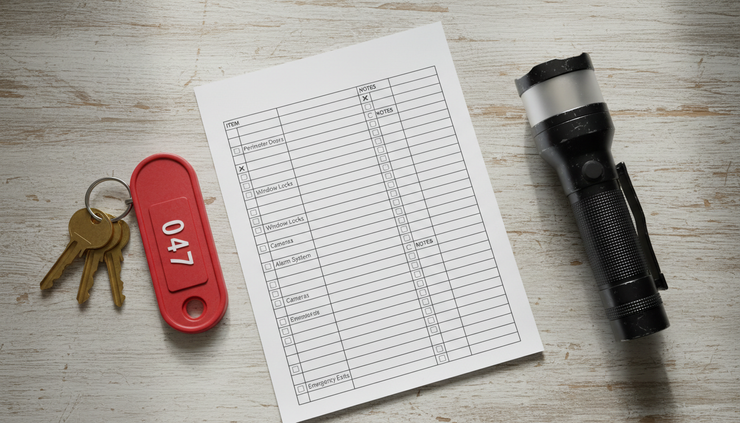
A strong key holding setup should include:
Named contacts who can approve access
Written instructions for alarms, lockouts, and emergency entry
Clear rules for contractor access
Regular reviews when staff or site needs change
Accurate records for each callout
Safe return and storage of keys after every use
For multi-site businesses, this structure becomes even more valuable. One central process can support several locations and reduce the need for each branch manager to create a separate workaround.
The practical takeaway
Key holding is more than a spare-key service. It is a practical way to protect people, property, time, and operating hours. Businesses use it because it reduces after-hours disruption, supports safer alarm response, limits key misuse, and helps sites recover faster from access problems.
For any business with a physical location, the case is clear. If access depends on one person answering the phone at the right moment, the system is fragile. A professional key holding service gives the business a safer and more reliable backup plan.

Comments